
Longevity for All
We help you stay young and healthy by slowing down aging.
Scientifically proven longevity approach, inspired by people who conquered time.
Personalized approach
for long-term health
Look and feel great
Live with energy, movement, and quality of life for as many years as possible.
Prevent diseases
Avoid age-related conditions and support your vitality and well-being.
Improve your performance
Discover if your choices today enhance stamina and clarity in your professional or athletic daily life.
A simple process tailored to your needs
Complete your assessment
We ensure the required data through a detailed evaluation to enable accurate analysis and the development of evidence-based interventions.
Longevity Plan
We transform your results into a detailed profile, which you will analyze in depth with a longevity advisor after your visit.
An integrated ecosystem
We design a unified framework to replace guesswork by connecting insight to action through a living strategy that adapts as your body, goals, and life change.
The most comprehensive
Longevity Blueprint
At BioHack Project, we believe healthy aging is not a matter of luck, but strategy. We guide you with a holistic system based on the 8 pillars of longevity, aiming to slow aging and protect your body from chronic diseases.
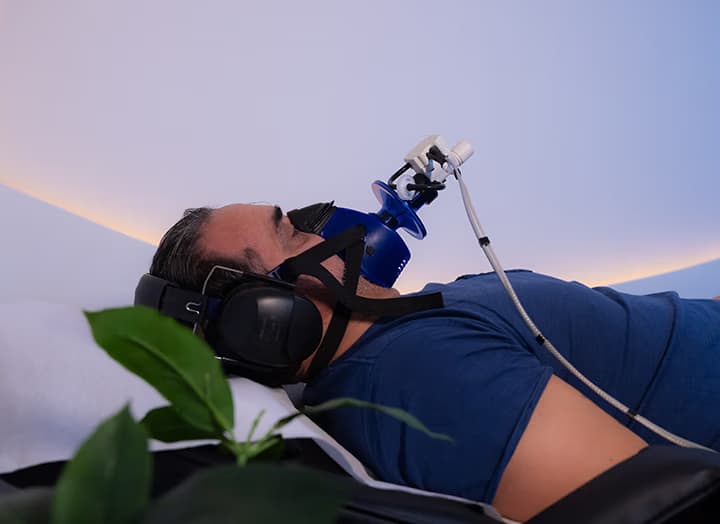
Metabolic Health
Metabolic upgrade beyond weight loss, with emphasis on body composition, visceral fat reduction, and metabolic flexibility.

Mild Chronic Inflammation
Reduction of silent inflammation and limitation of the risk of developing chronic diseases.

Strong Immune System
Assessment of immune function status and optimization of the body's defense.

Methylation Capacity
Analysis of gene expression and the mechanisms that regulate gene function.

Healthy Microbiome
Support gut flora for better digestion, reduced inflammation and balanced immune function.

Cognitive Function
Assessment of mental processes and tailored strategies to support alertness, attention control, and sustained concentration.
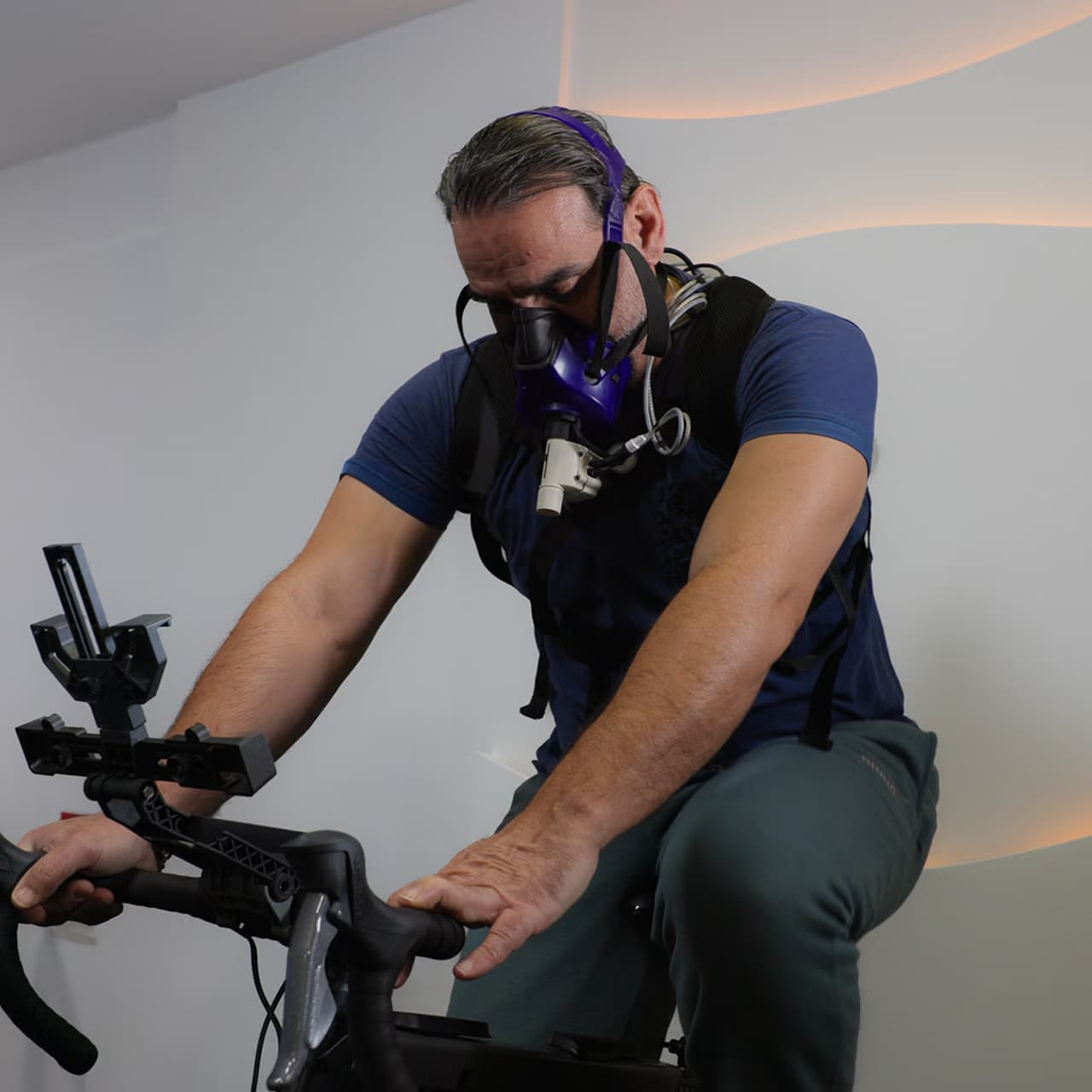
Cardiorespiratory Capacity
Mapping of lung, heart, circulatory, and cellular performance through VO₂max, one of the most reliable longevity indicators.
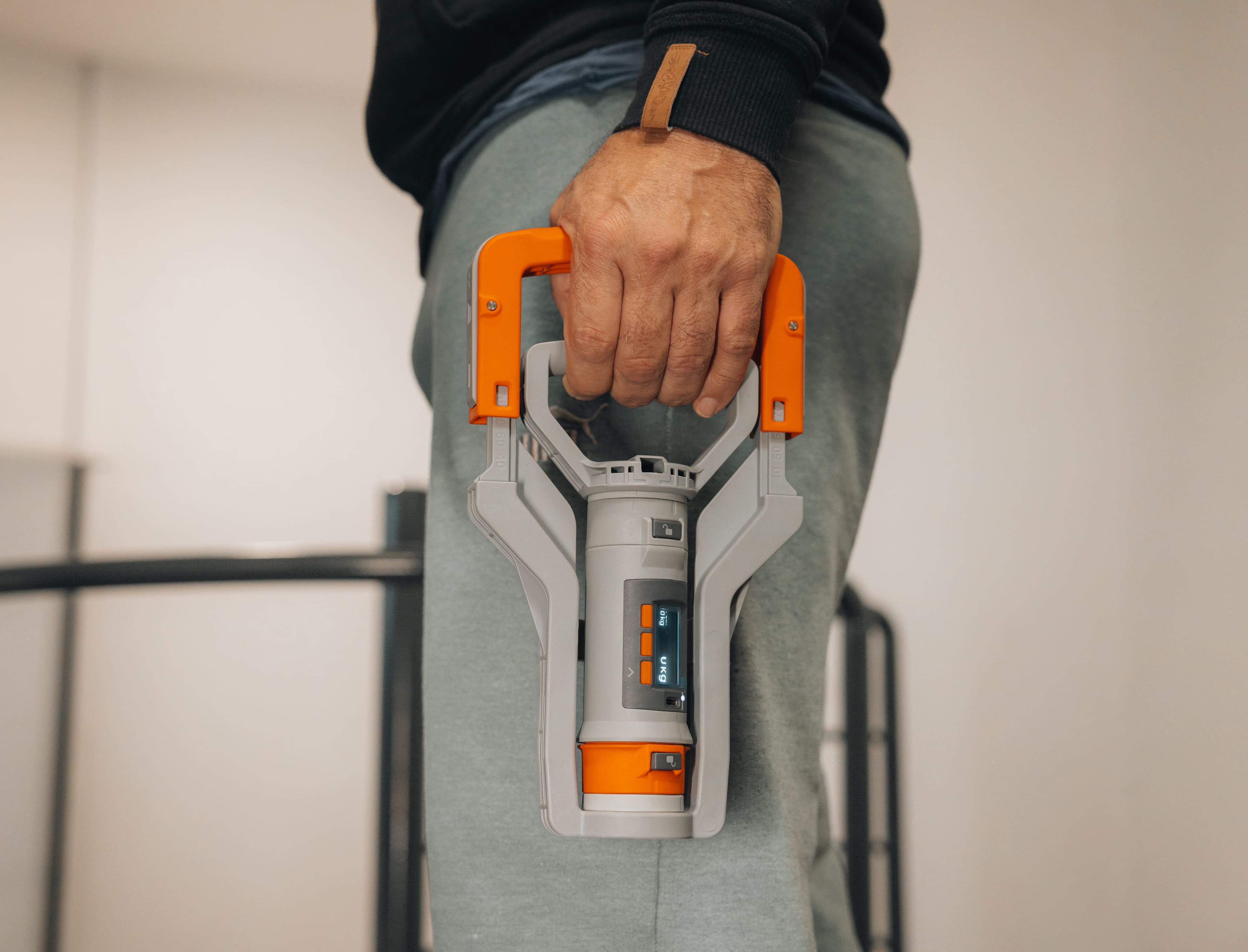
Healthy Musculoskeletal System
Enhancement of muscle mass, bone density, and mobility for long-term functionality.
JOIN US
Live healthier, for longer
A holistic approach to long-term health, designed around you.
Start Today